NurseSavvy Cheat SheetDisease
Placenta Previa
Pathophysiology & Risk Factors
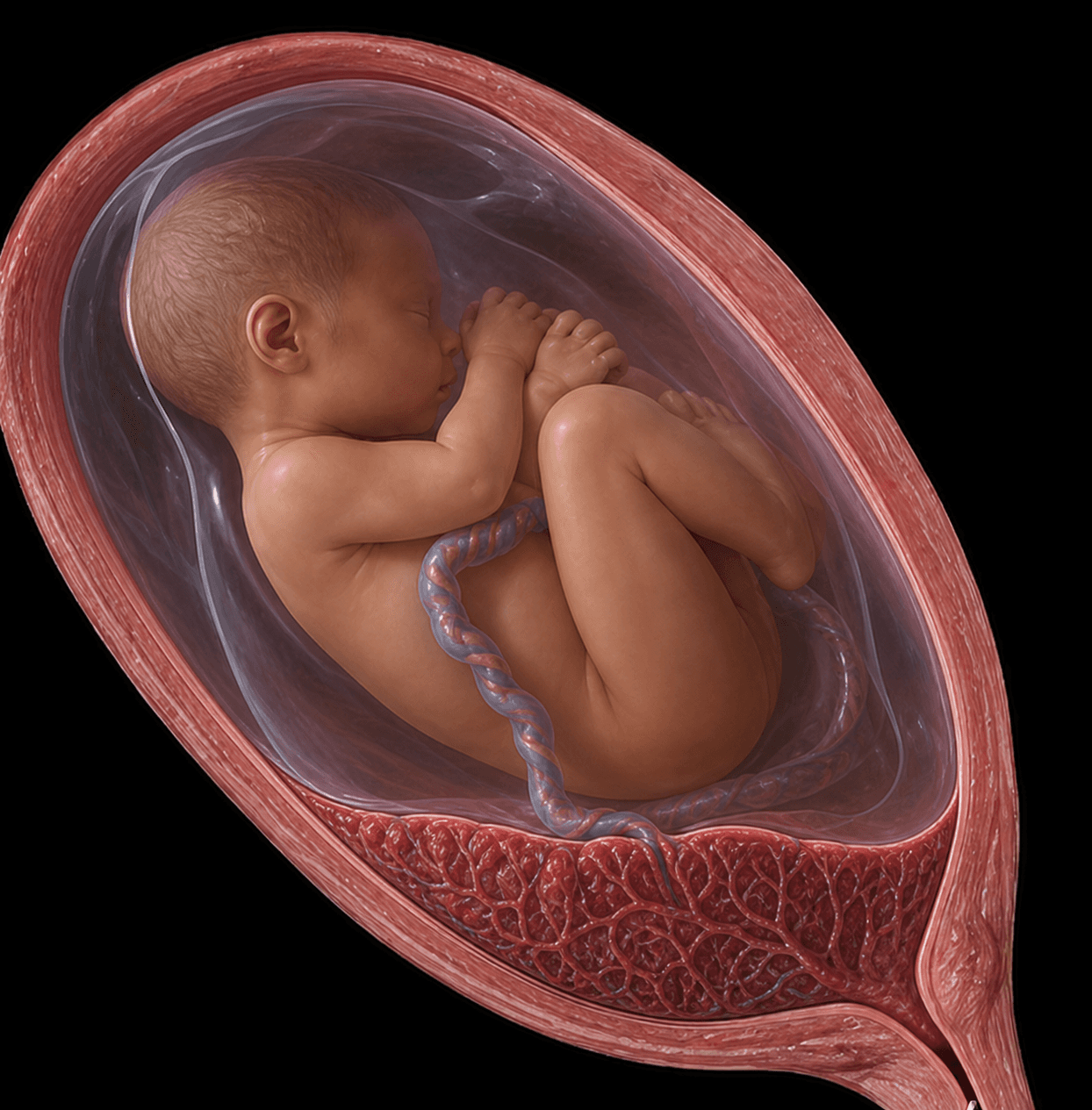
Placenta previa is implantation of the placenta over or near the internal cervical os, classified as complete, partial, marginal, or low-lying. After ~28 weeks the lower uterine segment thins and stretches, disrupting placental attachment and causing painless bleeding. Marginal/low-lying previa may resolve as the uterus grows (apparent placental migration); a complete previa persisting at 32 weeks rarely resolves and mandates cesarean delivery.
Signs & Symptoms
Previa vs abruption — the discriminator
Placenta previaPlacental abruption
PainPainlessPainful
Bleeding colorBright redDark red
Bleeding visibilityExternal, visibleMay be concealed
UterusSoft, nontenderRigid, board-like, tender
Digital vaginal examContraindicatedAvoid until previa excluded
Placenta previa
- Pain
- Painless
- Bleeding color
- Bright red
- Bleeding visibility
- External, visible
- Uterus
- Soft, nontender
- Digital vaginal exam
- Contraindicated
Placental abruption
- Pain
- Painful
- Bleeding color
- Dark red
- Bleeding visibility
- May be concealed
- Uterus
- Rigid, board-like, tender
- Digital vaginal exam
- Avoid until previa excluded
Diagnostics & Labs
Diagnostic
Transvaginal ultrasound Hallmark
gold standard; placenta visualized over the osAbdominal ultrasound
Type and crossmatch
Rh status
No digital cervical exam
ABSOLUTELY CONTRAINDICATED — can trigger catastrophic hemorrhageMonitor
Follow-up ultrasound at 32-36 weeks
determines delivery planningContinuous fetal heart rate monitoring
Interventions & Priorities
Assess vital signs
maternal hemodynamic status firstQuantify blood loss
maternal hemodynamic status firstEstablish large-bore IV access
with type and crossmatchContinuous fetal heart rate monitoring
Bed rest
Pelvic rest
Patient instruction: nothing in the vagina — no intercourse, tampons, or douchingNo digital vaginal exam
Absolute rule in the acute setting — can perforate the placenta and cause catastrophic hemorrhage; locate the placenta by ultrasound firstCesarean delivery for complete previa
vaginal delivery contraindicatedTreatments & Medications
Betamethasone
antenatal corticosteroid for fetal lung maturity if pretermRhoGAM
if Rh-negativeBlood products
for volume resuscitation if hemorrhagingPatient Teaching
Nothing inserted into the vagina
Avoid intercourse
Report any vaginal bleeding immediately
Monitor fetal movement
Complete previa requires cesarean
no trial of laborReport Nowescalate immediately
Painless bright red hemorrhage
Maternal hypotension
dropping BP signals worsening hemorrhageMaternal tachycardia
Signs of hypovolemic shock
Fetal heart rate deceleration
bleeding compromising fetal oxygenationClinical Pearl
Painless = previa, painful = abruption. Bright red blood + soft uterus = previa — keep your hands out of the vagina until ultrasound says otherwise.