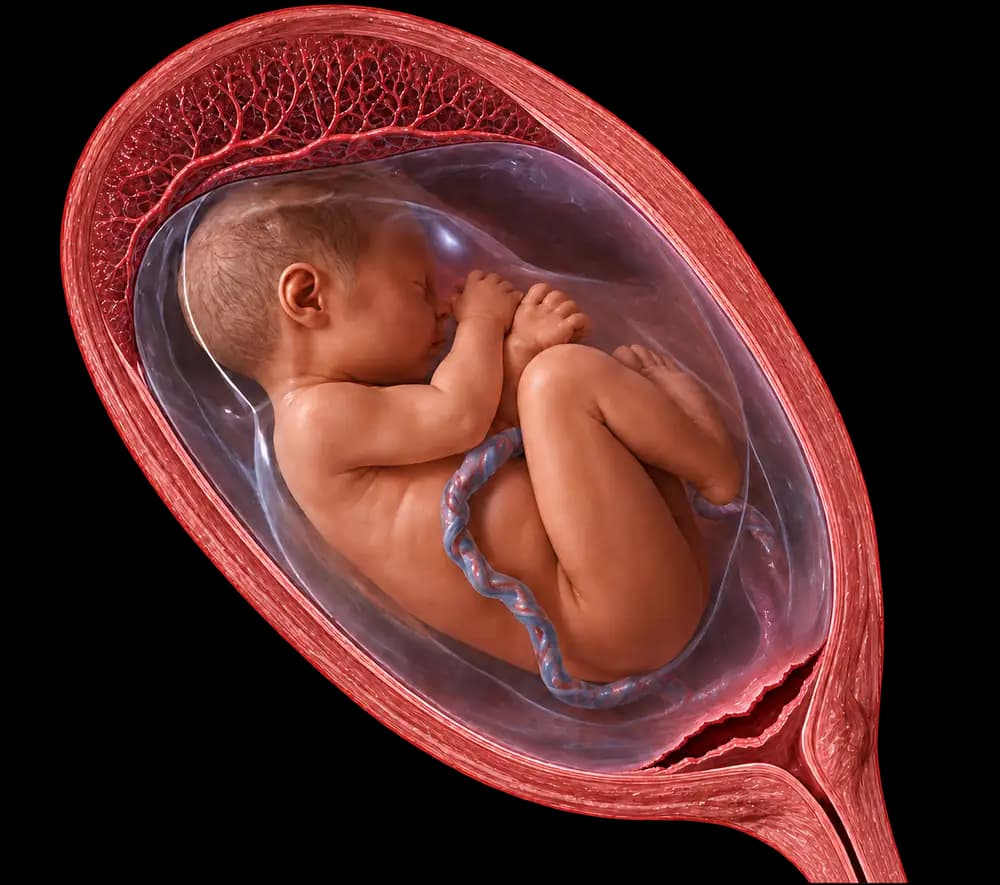
Uterine Rupture
Pathophysiology & Risk Factors
Uterine rupture is a catastrophic full-thickness tearing of the uterine wall, most often at a previous cesarean scar during a trial of labor after cesarean (TOLAC/VBAC). Once wall integrity is lost the uterus can no longer contract, the fetal presenting part may recede, and blood pools intraperitoneally producing concealed hemorrhage. A complete rupture communicates with the peritoneal cavity and is a surgical emergency; an incomplete rupture (dehiscence) leaves the serosa intact and may show only subtle FHR changes.
Rupture risk by prior uterine scar
Scar type
- Classical (vertical) incision
- Highest risk
- Low transverse incision
- Lower risk
Approx. rupture rate
- Classical (vertical) incision
- ~4-9%
- Low transverse incision
- ~0.5-1%
Signs & Symptoms
Diagnostics & Labs
Diagnostic
Monitor
Interventions & Priorities
Suspected complete rupture — first actions
- Recognize triadpain + no contractions + fetal bradycardia
- Stop oxytocinhalt uterine stimulation
- Activate surgical teamcall for emergency cesarean
- Resuscitate2 large-bore IVs, fluids, O2, blood ready
- Emergency cesareandelay >10-15 min worsens outcomes
Treatments & Medications
Patient Teaching
Complications
Clinical Pearl
Pain then silence is the classic story, but sudden fetal bradycardia is often the first sign, and an epidural can hide the pain. In a laboring VBAC patient, think rupture until proven otherwise.